
Choosing a new hair color can be exciting, but it can also feel overwhelming. With so many shades available—from platinum blonde to jet black and vibrant fashion colors—finding the perfect match isn’t always easy. That’s where a hair color filter becomes incredibly useful. These virtual tools allow you to try different hair colors digitally before making a permanent change.
A hair color filter helps users visualize how various shades will look with their skin tone, eye color, and overall appearance. Whether you’re considering a subtle enhancement or a dramatic transformation, using a hair color filter can save time, money, and potential disappointment.
In this comprehensive guide, you’ll learn everything about hair color filters, how they work, their benefits, popular color options, and tips for choosing the perfect shade that reflects your personality.
Table of Contents
ToggleWhat Is a Hair Color Filter?
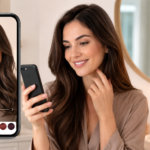
A hair color filter is a digital tool that lets users virtually change their hair color using a photo, camera, or augmented reality technology. Instead of visiting a salon and taking a risk, you can preview how a color will look on your hair.
Many beauty apps and websites now offer hair color filters that allow instant transformations. These filters can display realistic results and help users make informed decisions.
Hair color filters are especially useful for people considering major changes, such as going blonde, red, or silver.
Why Hair Color Filters Are So Popular
The popularity of hair color filters has grown significantly due to advancements in AI and smartphone technology.
People enjoy experimenting with their appearance without making permanent commitments. A hair color filter provides a risk-free way to explore different looks.
Social media platforms have also contributed to the trend by making virtual beauty transformations more accessible.
How Hair Color Filters Work
Hair color filters use image recognition and artificial intelligence to detect hair in a photo.
Once the hair area is identified, the software overlays different shades while maintaining natural shadows, highlights, and texture.
Modern filters can even adjust colors based on lighting conditions to provide realistic previews.
Benefits of Using a Hair Color Filter
| Benefit | Description |
|---|---|
| Saves Money | Avoid expensive color mistakes |
| Saves Time | Test colors instantly |
| Better Decisions | Visualize results before dyeing |
| Fun Experimentation | Try unlimited shades |
| Personalized Results | Match colors to skin tone |
Using a hair color filter helps users feel more confident before making a hair color commitment.
Choosing Hair Colors Based on Personality
Your hair color can reflect your personality and style preferences.
Bold and Confident
People with adventurous personalities often choose:
- Bright Red
- Platinum Blonde
- Electric Blue
- Purple
Professional and Sophisticated
Popular choices include:
- Dark Brown
- Espresso
- Soft Black
- Chestnut
Creative and Artistic
Creative individuals may enjoy:
- Pink
- Lavender
- Teal
- Silver
Hair Colors for Different Skin Tones
Selecting a color that complements your skin tone is essential.
Fair Skin
Best shades include:
- Ash Blonde
- Platinum Blonde
- Soft Brown
- Burgundy
Medium Skin
Popular options:
- Honey Blonde
- Chocolate Brown
- Auburn
- Caramel
Dark Skin
Recommended shades:
- Espresso Brown
- Jet Black
- Golden Brown
- Burgundy
Blonde Hair Filters
Blonde remains one of the most searched hair colors worldwide.
Popular blonde options include:
- Platinum Blonde
- Ash Blonde
- Honey Blonde
- Golden Blonde
- Champagne Blonde
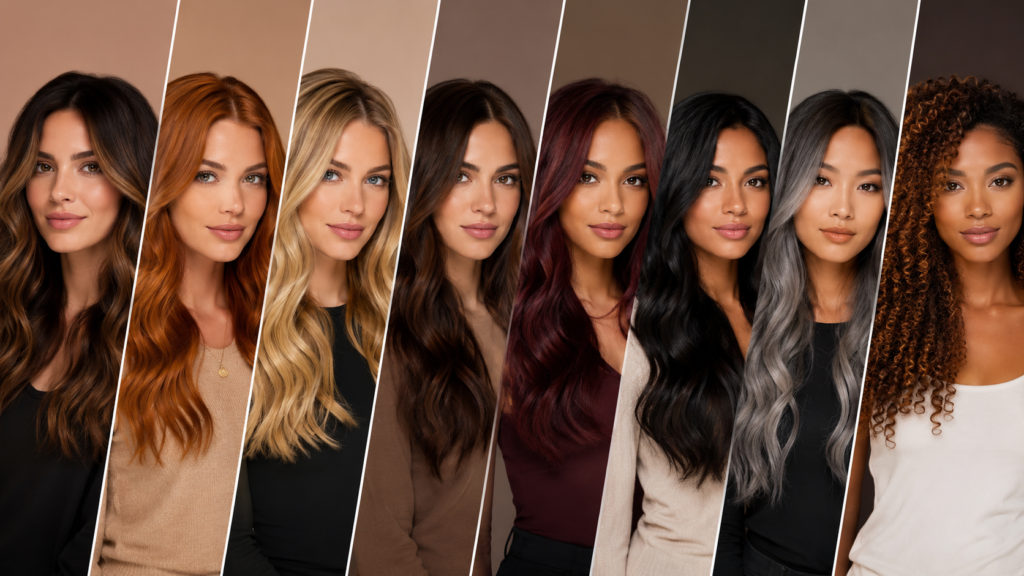
Hair color filters help users compare these shades side by side.
Brown Hair Filters
Brown hair offers versatility and timeless appeal.
Popular shades include:
- Chocolate Brown
- Chestnut Brown
- Mocha Brown
- Espresso Brown
- Caramel Brown
Brown shades generally suit a wide range of skin tones.
Black Hair Filters
Black hair provides elegance and sophistication.
Common black shades include:
- Natural Black
- Soft Black
- Blue Black
- Jet Black
Hair color filters can help determine which black tone complements your complexion.
Red Hair Filters
Red shades are ideal for those seeking a dramatic transformation.
Popular red tones include:
- Auburn
- Copper
- Cherry Red
- Burgundy
- Ginger
A hair color filter allows users to compare warm and cool red tones easily.
Fashion Color Filters
Fashion colors have become increasingly popular among younger audiences.
Trending choices include:
- Pink
- Blue
- Purple
- Green
- Silver
- Rose Gold
Virtual filters make it easy to explore these vibrant shades before committing.
Temporary vs Permanent Hair Color
| Feature | Temporary Color | Permanent Color |
|---|---|---|
| Duration | Days to Weeks | Months |
| Damage Risk | Low | Moderate |
| Maintenance | Easy | Requires Upkeep |
| Commitment | Low | High |
Hair color filters can help users decide which approach is best.
AI-Powered Hair Color Filters
Artificial intelligence has transformed virtual beauty tools.
AI-powered filters can:
- Detect hair accurately
- Adjust lighting automatically
- Match colors realistically
- Suggest personalized shades
This technology creates highly realistic previews compared to traditional filters.
Best Features to Look for in a Hair Color Filter
When choosing a hair color filter, consider:
- Real-time camera mode
- AI-powered color detection
- Large color library
- High-resolution previews
- Skin tone matching
- Before-and-after comparisons
These features improve accuracy and user satisfaction.
Common Mistakes When Testing Hair Colors
Many people make avoidable mistakes when using hair color filters.
Ignoring Skin Tone
A trendy color may not complement your complexion.
Using Poor Lighting
Good lighting improves preview accuracy.
Choosing Unrealistic Expectations
Virtual results may vary slightly from actual salon outcomes.
Hair Color Trends in 2026
Several shades are dominating beauty trends this year.
Popular Trends
- Expensive Brunette
- Mushroom Brown
- Honey Blonde
- Copper Red
- Smoky Silver
- Rose Gold
These colors combine sophistication with modern style.
Comparing Popular Hair Shades
| Hair Color | Maintenance | Trend Level | Best For |
|---|---|---|---|
| Platinum Blonde | High | Very High | Bold Looks |
| Chocolate Brown | Low | High | Everyday Style |
| Copper Red | Medium | Very High | Statement Look |
| Jet Black | Low | High | Elegant Style |
| Silver | High | Trending | Fashion-Forward Users |
Tips for Getting Salon Results
After selecting a color with a hair color filter:
- Save screenshots.
- Show them to your stylist.
- Discuss hair history.
- Ask about maintenance.
- Use color-safe products.
- Follow professional recommendations.
These steps improve the chances of achieving your desired look.
Future of Virtual Hair Color Technology
The future of hair color filters looks promising.
Emerging technologies may offer:
- 3D hair simulations
- Personalized AI recommendations
- Real-time salon consultations
- Virtual styling experiences
- Hyper-realistic color rendering
These innovations will continue transforming the beauty industry.
Conclusion
A hair color filter is one of the best tools for exploring new hairstyles without risk. Whether you’re considering blonde, brunette, black, red, or a vibrant fashion color, these virtual tools help you visualize results before making a commitment.
By using a hair color filter, you can confidently choose a shade that complements your skin tone, highlights your personality, and aligns with current beauty trends. As AI technology continues to evolve, hair color filters will become even more accurate and personalized, making it easier than ever to find your perfect look.
Frequently Asked Questions (FAQs)
1. What is a hair color filter?
A hair color filter is a virtual tool that lets users preview different hair colors on their photos or through live camera technology.
2. Are hair color filters accurate?
Most modern AI-powered filters provide highly realistic previews, though actual results may vary slightly.
3. Can I use a hair color filter for free?
Yes, many apps and websites offer free hair color filters with basic features.
4. Which hair color suits every skin tone?
Chocolate brown, soft black, and caramel shades generally work well across various skin tones.
5. Do hair color filters work on dark hair?
Yes, advanced filters can simulate color changes on dark hair effectively.
6. Can a hair color filter recommend colors?
Many AI-powered filters provide personalized recommendations based on skin tone and facial features.
7. Should I trust a hair color filter before dyeing my hair?
Hair color filters are useful guides, but consulting a professional stylist is always recommended before making a major change.