
Table of Contents
ToggleIntroduction
Choosing a new hair color can be exciting, but it can also feel overwhelming. With so many shades available—from platinum blonde and honey brown to vibrant red and deep black—it’s natural to wonder, “What color should I dye my hair?” The answer depends on several factors, including your skin tone, eye color, natural hair color, lifestyle, and maintenance preferences.
The right hair color can enhance your natural beauty, brighten your complexion, and even make you look younger. On the other hand, the wrong shade may wash out your features or require more upkeep than you expected.
This comprehensive guide will help you determine the perfect hair color based on your skin tone and personal style.
Why Choosing the Right Hair Color Matters
Your hair frames your face and significantly impacts your overall appearance. A flattering shade can:
- Highlight your best features
- Complement your skin tone
- Make your eyes stand out
- Create a youthful appearance
- Boost confidence
Before selecting a color, it’s important to understand how undertones and color theory work.
Understanding Skin Tone and Undertones
Many people confuse skin tone with undertones.
| Skin Tone | Description |
|---|---|
| Fair | Very light complexion |
| Light | Slightly pale skin |
| Medium | Balanced complexion |
| Tan | Warm golden appearance |
| Deep | Rich dark complexion |
Undertones
There are three primary undertones:
| Undertone | Characteristics |
|---|---|
| Cool | Pink, red, or blue hues |
| Warm | Golden, peachy, yellow hues |
| Neutral | Mix of cool and warm tones |
Knowing your undertone helps you select a hair color that complements your complexion.
How to Determine Your Undertone
Check Your Veins
Look at the veins on your wrist:
- Blue or purple veins = Cool undertones
- Green veins = Warm undertones
- Blue-green veins = Neutral undertones
Jewelry Test
- Silver jewelry looks best = Cool undertones
- Gold jewelry looks best = Warm undertones
- Both look great = Neutral undertones
Sun Reaction
- Burn easily = Cool undertones
- Tan easily = Warm undertones
- Both burn and tan = Neutral undertones
Best Hair Colors for Cool Skin Tones
People with cool undertones generally look best in cool hair colors.
Recommended Shades
- Ash Blonde
- Platinum Blonde
- Icy Blonde
- Mushroom Brown
- Cool Chocolate Brown
- Burgundy
- Blue Black
Why They Work
These shades balance the pink and blue tones in the skin, creating harmony and enhancing natural beauty.
Best Hair Colors for Warm Skin Tones
Warm undertones pair beautifully with rich golden colors.
Recommended Shades
- Honey Blonde
- Golden Blonde
- Caramel Brown
- Chestnut Brown
- Auburn
- Copper Red
- Golden Black
Why They Work
Warm colors enhance golden undertones and create a radiant, healthy glow.
Best Hair Colors for Neutral Skin Tones
Neutral undertones are incredibly versatile.
Great Choices
- Beige Blonde
- Bronde
- Soft Brown
- Espresso Brown
- Rose Gold
- Soft Auburn
Because neutral skin tones balance warm and cool hues, most colors look flattering.
Hair Color Recommendations by Eye Color
Blue Eyes
Best shades include:
- Platinum Blonde
- Ash Blonde
- Cool Brown
- Burgundy
Green Eyes
Ideal colors:
- Copper
- Auburn
- Golden Brown
- Strawberry Blonde
Brown Eyes
Great options:
- Caramel Brown
- Chocolate Brown
- Honey Blonde
- Rich Black
Hazel Eyes
Best choices:
- Chestnut Brown
- Auburn
- Golden Blonde
- Bronze Highlights
Best Blonde Hair Colors
Blonde remains one of the most popular hair color choices.
| Blonde Shade | Best Skin Tone |
|---|---|
| Platinum Blonde | Cool |
| Ash Blonde | Cool |
| Beige Blonde | Neutral |
| Honey Blonde | Warm |
| Golden Blonde | Warm |
| Strawberry Blonde | Fair Warm |
Blonde shades can brighten the face and create a youthful appearance.
Best Brown Hair Colors
Brown hair offers versatility and natural elegance.
Popular Brown Shades
- Chocolate Brown
- Espresso Brown
- Mocha Brown
- Chestnut Brown
- Caramel Brown
Brown hair works well across almost all skin tones and requires less maintenance than blonde shades.
Best Red Hair Colors
Red hair is bold, striking, and attention-grabbing.
Popular Red Shades
| Shade | Best For |
|---|---|
| Copper | Warm skin |
| Auburn | Neutral skin |
| Burgundy | Cool skin |
| Cherry Red | Cool skin |
| Strawberry Blonde | Fair skin |
Red shades often make eye colors appear more vibrant.
Should You Go Darker or Lighter?
When deciding whether to go lighter or darker, consider your natural hair color.
Go Lighter If:
- You want a brighter appearance
- You enjoy frequent salon visits
- You prefer a youthful look
Go Darker If:
- You want lower maintenance
- You seek a dramatic transformation
- You prefer richer, sophisticated tones
A general rule is staying within two shades of your natural color for the most flattering result.
Trending Hair Colors in 2026
Some of the most popular hair color trends include:
Mushroom Brown
A cool-toned brown with subtle gray undertones.
Honey Blonde
A warm, sun-kissed blonde.
Expensive Brunette
Rich, dimensional brunette tones that look luxurious.
Copper Glow
A vibrant copper shade gaining popularity.
Smoky Black
A softer version of jet black with cool undertones.
Rose Gold
A blend of pink and gold tones creating a fashionable appearance.
Low-Maintenance Hair Colors
If you don’t want frequent touch-ups, consider:
- Balayage
- Bronde
- Soft Brown
- Dark Chocolate Brown
- Natural Black
These shades grow out gracefully and require fewer salon visits.
Hair Color Mistakes to Avoid
Ignoring Undertones
Selecting a color solely because it’s trendy can lead to disappointing results.
Going Too Extreme
Dramatic changes may damage hair and require extensive maintenance.
Forgetting Maintenance
Some shades need touch-ups every 4–6 weeks.
DIY Color Disasters
Professional colorists often achieve better, more predictable results.
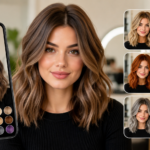
Using Virtual Hair Color Try-On Tools
Modern technology makes choosing a hair color easier than ever.
Benefits include:
- Seeing multiple shades instantly
- Comparing colors side by side
- Avoiding costly mistakes
- Testing bold colors risk-free
Virtual hair color tools can help answer the question, “What color should I dye my hair?” before committing to a permanent change.
Final Thoughts
Finding the perfect hair color starts with understanding your skin tone and undertones. Cool skin tones often shine with ash and icy shades, while warm complexions glow with golden and caramel hues. Neutral undertones enjoy the flexibility of wearing nearly any color successfully.
Whether you’re considering blonde, brunette, red, or black hair, the key is choosing a shade that complements your natural features and fits your lifestyle. By evaluating your skin tone, eye color, maintenance preferences, and personal style, you can confidently answer the question: What color should I dye my hair?
FAQs
1. What color should I dye my hair if I have warm skin tones?
Honey blonde, caramel brown, chestnut brown, and copper red are excellent options.
2. What hair color makes you look younger?
Soft highlights, honey blonde, caramel brown, and dimensional brunette shades often create a youthful appearance.
3. Can cool skin tones wear warm hair colors?
Yes, but choosing balanced shades with both warm and cool elements usually works best.
4. What is the easiest hair color to maintain?
Dark brown, natural black, balayage, and bronde are among the easiest colors to maintain.
5. Should I choose hair color based on eye color?
Eye color can help enhance your overall look, but skin tone should be the primary factor.
6. Is blonde hair suitable for all skin tones?
Yes, but selecting the right blonde shade for your undertone is important.
7. How can I test a hair color before dyeing it?
Use virtual hair color try-on tools, temporary dyes, or consultation services offered by professional salons.