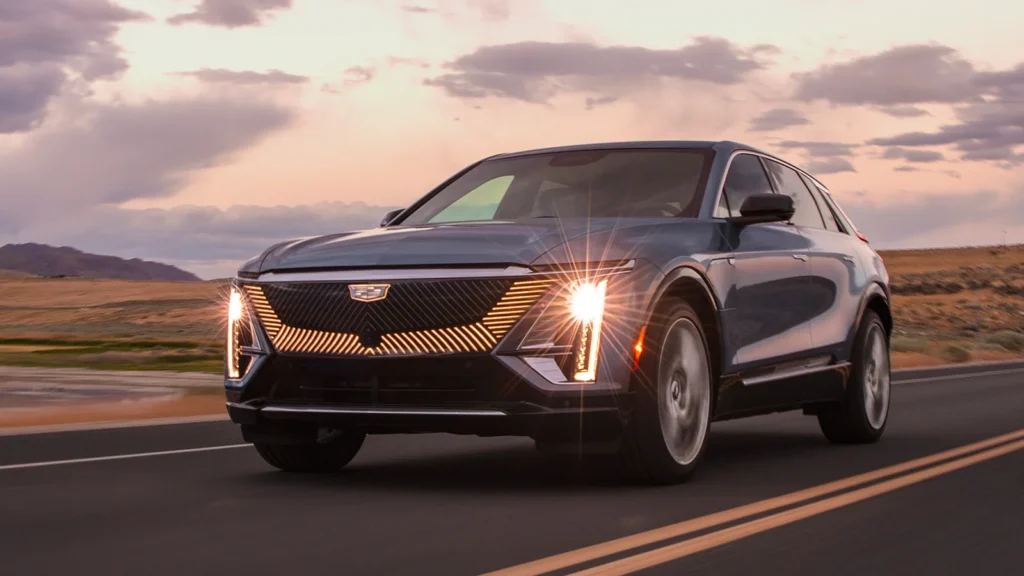

Understanding the Relationship Between Driving Modes and Electric Range
The rise of electric vehicles has brought a new layer of curiosity among drivers, particularly when it comes to how different driving modes affect performance, efficiency, and range. One such vehicle that has captured attention is the Cadillac Lyriq, a premium electric SUV that blends advanced technology with refined driving dynamics. Among the many features that intrigue potential buyers and enthusiasts alike is the concept of driving modes and whether they significantly impact battery usage and overall driving range.
do the driving modes in cadillac lyriq offer different ranges or battery usages? are not new in the automotive world, but their role in electric vehicles is more nuanced compared to traditional gasoline-powered cars. In internal combustion vehicles, modes often change throttle response, suspension stiffness, and transmission behavior. In electric vehicles, however, the absence of a traditional engine shifts the focus toward energy management, regenerative braking, and power delivery.
In the Cadillac Lyriq, driving modes are designed to enhance the driving experience by tailoring the vehicle’s behavior to different conditions and preferences. These modes can influence how efficiently the battery is used, but the relationship is not always straightforward. Understanding how they work requires a closer look at the technology behind electric drivetrains and energy consumption.
The Core Driving Modes in Cadillac Lyriq
The Cadillac Lyriq offers multiple driving modes, typically including Tour, Sport, Snow/Ice, and a customizable My Mode. Each of these modes adjusts parameters such as throttle sensitivity, steering feel, and regenerative braking intensity. While these adjustments may seem subtle, they can influence how energy is consumed during a drive.
Tour mode is generally optimized for everyday driving and aims to strike a balance between comfort and efficiency. It delivers smooth acceleration and moderate regenerative braking, making it suitable for city commutes and highway cruising. Sport mode, on the other hand, sharpens throttle response and provides a more dynamic driving feel. This increased responsiveness can lead to higher energy consumption if the driver frequently accelerates aggressively.
Snow or Ice mode is designed for low-traction conditions. It softens throttle input and adjusts traction control systems to prevent wheel slip. While this mode prioritizes safety over performance, it can also result in more controlled and efficient energy use in slippery environments where sudden acceleration would otherwise waste energy.
My Mode allows drivers to customize settings based on personal preferences. This flexibility means that drivers can create a setup that either prioritizes efficiency or performance, depending on their needs. The impact on battery usage in this mode depends entirely on the chosen configuration.
How Driving Modes Influence Battery Usage
The effect of driving modes on battery usage is largely tied to how they alter power delivery and energy recovery. Electric vehicles like the Cadillac Lyriq rely on a battery pack to store and deliver energy to the motor. The rate at which this energy is consumed depends on factors such as acceleration, speed, terrain, and driving behavior.
In modes that encourage aggressive acceleration, such as Sport mode, the motor draws more power from the battery in a shorter period. This does not necessarily mean the vehicle is less efficient overall, but it can reduce the range if such driving behavior is sustained over time. Rapid acceleration requires a surge of energy, which can deplete the battery faster compared to gradual acceleration.
Conversely, modes that promote smoother driving and increased regenerative braking can help conserve energy. Regenerative braking is a key feature in electric vehicles, allowing the motor to act as a generator when the vehicle slows down. This process converts kinetic energy back into electrical energy, which is then stored in the battery. Modes that enhance regenerative braking can improve efficiency, particularly in stop-and-go traffic.
However, it is important to note that driving modes do not fundamentally change the battery’s capacity. The total amount of energy stored in the battery remains the same regardless of the selected mode. What changes is how that energy is used and how efficiently it is recovered during driving.
Real-World Impact on Driving Range
When considering whether driving modes offer different ranges, the answer lies in real-world driving conditions rather than theoretical specifications. The Cadillac Lyriq’s estimated range is determined under standardized testing conditions, typically using a balanced driving mode like Tour. This provides a baseline for comparison, but actual range can vary significantly depending on how the vehicle is driven.
In practical terms, using Sport mode frequently may result in a shorter driving range compared to using Tour mode. This is because the more responsive throttle encourages quicker acceleration, which consumes more energy. On the other hand, drivers who adopt a more relaxed driving style, even in Sport mode, may not see a significant difference in range.
Similarly, maximizing regenerative braking can extend range by recovering energy that would otherwise be lost. Drivers who anticipate stops and gradually slow down can take advantage of this feature more effectively. Some drivers even adapt their driving habits to minimize the use of traditional braking, relying instead on regenerative braking to control speed.
Environmental factors also play a crucial role. Temperature, road conditions, and traffic patterns can all influence energy consumption. For example, cold weather can reduce battery efficiency, while hilly terrain may require more energy for climbing but allow for energy recovery during descents.
The Role of Driver Behavior
While driving modes provide a framework for how the vehicle behaves, the driver ultimately has the greatest influence on battery usage and range. Two drivers using the same mode can achieve very different results based on their driving habits.
Aggressive driving, characterized by rapid acceleration and high speeds, tends to increase energy consumption regardless of the selected mode. In contrast, smooth and consistent driving can enhance efficiency and extend range. This means that even in a performance-oriented mode, a disciplined driver can maintain relatively efficient energy use.
The Cadillac Lyriq’s technology is designed to assist drivers in optimizing efficiency. Features such as energy consumption displays and range estimators provide real-time feedback, allowing drivers to adjust their behavior accordingly. By monitoring these indicators, drivers can make informed decisions about when to accelerate, when to coast, and how to manage their energy usage.
Regenerative Braking and One-Pedal Driving
One of the standout features of the Cadillac Lyriq is its regenerative braking system, which plays a significant role in energy efficiency. The vehicle offers adjustable levels of regenerative braking, including a one-pedal driving mode that allows drivers to control acceleration and deceleration using only the accelerator pedal.
In one-pedal driving, lifting off the accelerator initiates regenerative braking, slowing the vehicle while simultaneously recharging the battery. This feature can be particularly effective in urban environments, where frequent stops are common. By maximizing energy recovery, one-pedal driving can contribute to increased range.
Driving modes can influence the intensity of regenerative braking, but the overall benefit depends on how the driver uses the system. Drivers who become accustomed to one-pedal driving often find that they can extend their range by reducing reliance on traditional brakes and capturing more energy during deceleration.
Balancing Performance and Efficiency
The Cadillac Lyriq is designed to deliver both performance and efficiency, and driving modes allow drivers to choose how they prioritize these aspects. For those who value a spirited driving experience, Sport mode offers enhanced responsiveness and a more engaging feel. While this may come at the cost of slightly reduced range, it provides a level of enjoyment that many drivers find worthwhile.
For those focused on maximizing range, Tour mode or a customized My Mode with efficiency-oriented settings can help achieve better results. By moderating acceleration and taking advantage of regenerative braking, drivers can make the most of the vehicle’s battery capacity.
It is worth noting that the differences in range between modes are not drastic under normal driving conditions. The Cadillac Lyriq is engineered to be efficient across all modes, ensuring that drivers can enjoy flexibility without significant compromises. The variations in range are more reflective of driving style than the modes themselves.
Conclusion: Do Driving Modes Change Range in Cadillac Lyriq?
do the driving modes in cadillac lyriq offer different ranges or battery usages? capacity, but they do influence how energy is used and recovered. As a result, they can have an indirect impact on driving range. Modes that encourage aggressive driving may lead to higher energy consumption, while those that promote smoother operation and regenerative braking can enhance efficiency.
Ultimately, the effect of driving modes on range is closely tied to driver behavior. The same mode can yield different results depending on how the vehicle is driven. The Cadillac Lyriq provides the tools and flexibility needed to adapt to various driving conditions and preferences, allowing drivers to strike their own balance between performance and efficiency.
Understanding this relationship helps drivers make informed choices and get the most out of their electric vehicle. Whether prioritizing range for a long journey or enjoying the dynamic capabilities of the vehicle, the Cadillac Lyriq offers a versatile and refined driving experience that aligns with modern expectations of electric mobility.
You may also read: DreamWithJeff com