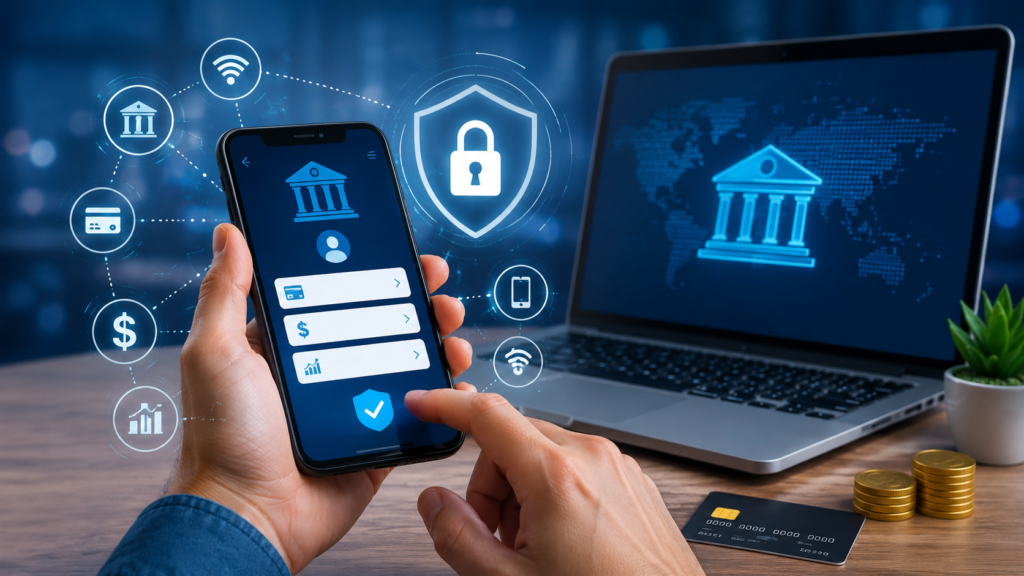

Digital banking has transformed the way people manage money. Instead of visiting physical bank branches, customers can now perform almost every banking activity online. Among the platforms attracting attention in the fintech and digital finance space is coyyn.com banking, a concept often associated with modern financial technology, secure digital transactions, and streamlined money management.
As consumers and businesses increasingly rely on online financial services, understanding how digital banking platforms operate becomes essential. This guide explores the features, benefits, security measures, and future potential of coyyn.com banking while highlighting why digital banking continues to reshape the financial industry in the United States.
Table of Contents
ToggleIntroduction to coyyn.com banking
The financial industry has experienced significant changes due to technological innovation. Consumers now expect quick, secure, and convenient access to their finances from anywhere.
coyyn.com banking represents the growing trend toward digital-first financial solutions that emphasize efficiency, accessibility, and enhanced customer experiences. Whether managing personal finances or business transactions, digital banking platforms provide users with tools designed for modern financial needs.
Understanding Digital Banking
Digital banking refers to the digitization of traditional banking activities. It allows customers to access banking services through websites, mobile apps, and online portals.
Common digital banking functions include:
- Checking account balances
- Paying bills
- Transferring funds
- Managing savings
- Monitoring spending
- Receiving financial alerts
Unlike traditional banking, digital banking minimizes paperwork and reduces the need for branch visits.
The Rise of Online Financial Services
Several factors have contributed to the rapid growth of online banking:
| Factor | Impact |
|---|---|
| Smartphone Adoption | Increased mobile banking usage |
| Faster Internet | Improved accessibility |
| Fintech Innovation | Enhanced banking tools |
| Consumer Demand | Greater convenience |
| Digital Security | Improved trust in online services |
The combination of these factors has encouraged more users to embrace digital financial solutions.
Key Features of coyyn.com Banking
Modern digital banking platforms typically offer a range of services designed to simplify financial management.
Core Features
- Online account access
- Secure login systems
- Digital fund transfers
- Transaction tracking
- Mobile banking support
- Financial insights
- Automated notifications
These features help users manage finances efficiently without relying on traditional branch-based services.
Account Management Capabilities
One of the primary advantages of digital banking is complete account control.
Users can typically:
- View balances instantly
- Review transaction histories
- Download statements
- Update personal information
- Monitor account activity
This level of accessibility helps customers stay informed about their finances at all times.
Mobile Banking Convenience
Mobile banking has become one of the most important aspects of digital finance.
Benefits include:
- Banking from anywhere
- Quick balance checks
- Mobile deposits
- Instant transfers
- Bill payments
The ability to access financial services through smartphones improves overall convenience and efficiency.
Digital Payments and Transfers
Modern consumers expect fast and seamless payment options.
Common Payment Functions
| Service | Benefit |
|---|---|
| Peer-to-Peer Transfers | Fast money movement |
| Online Bill Pay | Simplified payments |
| ACH Transfers | Secure transactions |
| Mobile Payments | Contactless convenience |
| Recurring Payments | Automated scheduling |
Digital payment systems eliminate many of the delays associated with traditional banking.
Security and Data Protection
Security remains a top priority in digital banking.
Most modern banking platforms employ:
- Multi-factor authentication
- End-to-end encryption
- Fraud monitoring systems
- Secure servers
- Biometric login options
These technologies help protect customer information and financial assets from cyber threats.
User-Friendly Interface
A well-designed banking platform enhances user experience.
Key interface characteristics include:
- Simple navigation
- Fast loading times
- Clear account dashboards
- Mobile responsiveness
- Easy transaction tracking
Users value platforms that make financial management intuitive and efficient.
Benefits for Individual Users
Digital banking offers numerous advantages for personal finance management.
Major Benefits
- 24/7 account access
- Faster transactions
- Reduced banking fees
- Improved financial visibility
- Convenient money transfers
- Enhanced security features
These benefits make online banking increasingly attractive to consumers across the United States.
Advantages for Businesses
Businesses can also benefit significantly from digital banking solutions.
Business Banking Features
| Feature | Business Benefit |
|---|---|
| Online Payments | Faster collections |
| Expense Tracking | Better budgeting |
| Payroll Integration | Streamlined operations |
| Cash Flow Monitoring | Improved decision-making |
| Automated Reports | Enhanced efficiency |
Digital tools help organizations manage finances more effectively.
Financial Planning Tools
Many digital banking platforms incorporate financial management resources.
Examples include:
- Budgeting tools
- Spending analysis
- Savings goals
- Investment tracking
- Expense categorization
These features empower users to make informed financial decisions.
Automated Banking Services
Automation has become a defining characteristic of modern banking.
Common automated functions include:
- Recurring payments
- Scheduled transfers
- Savings contributions
- Account alerts
- Statement generation
Automation reduces manual work while improving financial consistency.
Real-Time Transaction Monitoring
Real-time monitoring helps users stay informed about account activity.
Benefits include:
- Immediate transaction updates
- Fraud detection
- Spending awareness
- Improved account oversight
Instant visibility enables quicker responses to unusual account activity.
Customer Support and Assistance
Customer service remains essential even in digital environments.
Support channels often include:
- Live chat
- Email assistance
- Help centers
- Phone support
- Knowledge bases
Efficient support systems contribute significantly to customer satisfaction.
Comparison with Traditional Banking
The differences between digital and traditional banking continue to influence consumer preferences.
| Feature | Digital Banking | Traditional Banking |
|---|---|---|
| Accessibility | 24/7 | Limited hours |
| Branch Visits | Rarely needed | Often required |
| Transaction Speed | Fast | Moderate |
| Paperwork | Minimal | Extensive |
| Convenience | High | Moderate |
Digital banking often provides a more streamlined user experience.
Potential Challenges and Considerations
Although digital banking offers many benefits, users should remain aware of potential challenges.
Common Considerations
- Internet dependency
- Cybersecurity risks
- Technical outages
- Learning curve for some users
- Limited face-to-face interaction
Understanding these factors helps users make informed choices.
The Future of Digital Banking
The future of banking will likely involve greater technological integration.
Emerging trends include:
- Artificial intelligence
- Machine learning
- Blockchain technology
- Personalized financial recommendations
- Advanced fraud detection
These innovations may further enhance the capabilities of digital banking platforms.
Why Consumers Prefer Online Banking
Consumer preferences continue shifting toward digital services due to convenience and efficiency.
Top Reasons
- Faster service delivery
- Mobile accessibility
- Enhanced transparency
- Improved financial control
- Reduced waiting times
As technology advances, digital banking adoption is expected to continue growing.
The Role of Innovation in Banking
Innovation drives the evolution of financial services.
Modern banking platforms increasingly focus on:
- User experience
- Security improvements
- Personalized services
- Automation
- Financial education
These developments help create more valuable banking experiences for customers.
How Digital Banking Supports Financial Inclusion
Digital banking can help expand access to financial services.
Benefits include:
- Lower operational costs
- Wider geographic reach
- Faster account access
- Reduced barriers to entry
As technology becomes more accessible, more individuals can participate in the financial system.
Final Thoughts
coyyn.com banking reflects the broader movement toward digital financial services that prioritize convenience, efficiency, and security. As consumers and businesses continue embracing online financial solutions, digital banking platforms are becoming an essential part of modern money management.
From mobile banking and real-time monitoring to automated services and advanced security features, digital banking offers numerous advantages over traditional methods. While challenges such as cybersecurity and internet dependence remain important considerations, ongoing innovation continues to improve the digital banking experience.
For individuals seeking greater control over their finances and businesses looking for efficient financial management tools, digital banking solutions represent a significant step forward in the evolution of modern finance.
Frequently Asked Questions (FAQs)
1. What is coyyn.com banking?
Coyyn.com banking generally refers to digital banking concepts focused on online financial management, secure transactions, and modern banking technology.
2. What are the benefits of digital banking?
Benefits include convenience, 24/7 access, faster transactions, reduced paperwork, and enhanced financial visibility.
3. Is digital banking secure?
Most digital banking platforms use encryption, multi-factor authentication, and fraud monitoring to protect customer data.
4. Can businesses use digital banking services?
Yes. Businesses can use digital banking for payments, payroll management, cash flow monitoring, and financial reporting.
5. What devices can access digital banking?
Digital banking services are commonly available through smartphones, tablets, laptops, and desktop computers.
6. How does digital banking differ from traditional banking?
Digital banking focuses on online access and automation, while traditional banking relies more heavily on physical branch services.
7. What is the future of digital banking?
The future includes AI-powered financial tools, enhanced security systems, personalized services, and increased automation.