
In the digital world, a simple typo can lead to frustration for users and developers alike. When it comes to URLs, even a minor spelling mistake can cause significant issues regarding page access and search engine optimization. In this article, you will learn how to effectively use a url decoder spellmistake to resolve these issues, alongside practical strategies for implementing best practices in URL creation and management.
Understanding URL Encoding and Mistakes
Before diving into tools and techniques, it’s essential to understand what a URL is and how encoding works. A URL (Uniform Resource Locator) is a reference to a web resource that specifies its location on a computer network and a mechanism for retrieving it. However, URLs can often contain typos or incorrect characters, leading to errors when users attempt to access a page.
What is a URL Decoder?
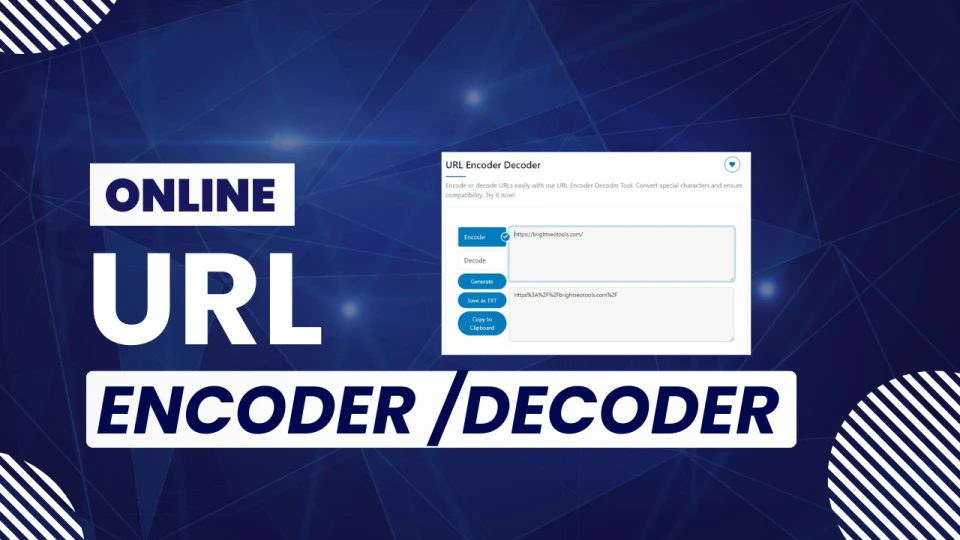
A URL decoder is a tool that can convert encoded characters within a URL back to their original form. This is especially useful when a URL contains special characters or typos that need to be corrected. If you are dealing with URL spell mistakes, understanding how to decode a URL with typos is crucial.
Common URL Decoding Issues
URL decoding issues can arise from a variety of factors, including:
- Typographical errors during URL entry.
- Improper handling of special characters.
- Encoding mismatches between systems.
- Broken links due to outdated URLs.
Each of these issues can impact user experience and SEO. Let’s explore how to fix URL encoding mistakes effectively.
How to Decode a URL with Typos
When you encounter a URL with mistakes, the first step is to identify the errors. This is where tools for decoding misspelled URLs come into play. Here are practical steps to help you decode malformed URLs:
- Identify the Mistake: Look for common spelling errors, incorrect characters, or misplaced symbols.
- Use an Online URL Decoder for Spelling Errors: Input the incorrect URL into a reliable URL decoder tool.
- Manually Correcting the URL: If you know the correct format, you can also manually adjust the URL.
- Test the URL: After decoding, ensure that the corrected URL directs you to the intended page.
Best Practices for URL Decoding
To minimize the chances of encountering URL spell mistakes, consider these best practices:
- Use Simple and Clear Language: Avoid complex words or phrases in your URLs.
- Stick to Standard Conventions: Consistently use hyphens, underscores, or camel case as needed.
- Implement URL Redirection: When changing URLs, ensure proper redirection to avoid broken links.
- Regular Audits: Periodically check your website for broken links and correct URLs.
The Impact of Spelling Mistakes on SEO
Spelling mistakes in URLs can severely affect your site’s SEO. Search engines may struggle to index incorrect URLs, and users may leave your site if they encounter errors. This leads to a higher bounce rate, which in turn can negatively impact your search rankings.
Tools for Decoding Misspelled URLs
Several tools can help you with URL decoding and correcting spelling errors. Here’s a handy table summarizing some of the best tools available:
| Tool Name | Features | Website |
|---|---|---|
| URL Decoder | Simple, user-friendly interface for decoding URLs. | urldecoder.org |
| Free Online URL Decoder | Convert encoded URLs back to human-readable format. | urlencoder.org |
| SEO Tools | Comprehensive suite for URL analysis and decoding. | moz.com |
How to Handle URL Spell Mistakes
When you notice a URL spell mistake, it’s vital to act quickly. Implement these URL error correction techniques:
- Immediate Fix: Correct the mistake as soon as possible to minimize impact.
- Notify Users: If a URL was shared publicly, inform users of the change.
- Update Backlinks: Reach out to webmasters of sites linking to the incorrect URL.
Semantic Analysis of URLs
Understanding the semantic relevance in URL structure is essential for both users and search engines. A clear and descriptive URL helps in ranking better and improves user trust. That’s why using a URL spelling correction tool can assist in maintaining the integrity of your content.
Frequently Asked Questions
Why do URLs have spelling errors?
Spelling errors can occur due to human typing mistakes, poor URL structure planning, or outdated information.
How can I avoid URL spelling errors?
Use clear naming conventions, double-check URLs before publishing, and implement a robust content management system that flags errors.
What are some common URL decoding issues?
Common issues include the use of special characters, incorrect case sensitivity, and outdated redirects.
What is the importance of accurate URL encoding?
Accurate URL encoding ensures that users can access the intended content without errors, which is vital for maintaining a good user experience and positive SEO impact.
Key Takeaways
- Understanding URL encoding is crucial for fixing spell mistakes.
- Using a user-friendly URL decoder can simplify the decoding process.
- Regularly auditing URLs can help prevent spelling mistakes from affecting SEO.
- Implementing best practices for URL structure will enhance both user experience and search engine visibility.
Conclusion
In conclusion, encountering URL spell mistakes is a common issue that can have significant repercussions for users and website owners alike. By using the right tools and best practices outlined in this article, you can effectively manage and correct these errors. A robust understanding of URL encoding and decoding will not only improve user experience but also enhance your search rankings. Remember, a small effort in maintaining accurate URLs can lead to substantial benefits in your online presence.