
Introduction
The question “why does ozdikenosis kill you” may sound like a serious medical inquiry, but it immediately raises an important issue: there is no recognized disease in modern medicine known as “ozdikenosis.” It does not appear in established medical literature, diagnostic manuals, or scientific databases. This suggests that the term may be fictional, misunderstood, or possibly a misinterpretation of another condition.
However, the curiosity behind the question is valid. People often want to understand why diseases lead to death, how the body fails under severe illness, and what mechanisms are involved when a condition becomes fatal. Even if “ozdikenosis” itself is not real, exploring how diseases kill can provide valuable insight into human biology, medicine, and prevention.
This article takes that question seriously by examining what would make any disease lethal. By understanding the biological processes that lead to death, we can better appreciate how real illnesses progress and why early diagnosis and treatment are critical.
The Importance of Accurate Medical Terminology
Before diving into the mechanisms of fatal illness, it is essential to address the role of accurate terminology. Medicine relies heavily on precise language. Each disease has a defined name, cause, and classification so that doctors and researchers can communicate effectively.
When a term like “ozdikenosis” appears, it may come from a misunderstanding, a fictional source, or a misspelling of another condition. In some cases, people encounter unfamiliar medical terms online and assume they refer to real diseases. This highlights the importance of verifying health information through credible sources.
Despite this, the underlying question—why a disease might kill—remains meaningful. By examining how the human body responds to severe illness, we can better understand what leads to fatal outcomes.
How Diseases Become Fatal
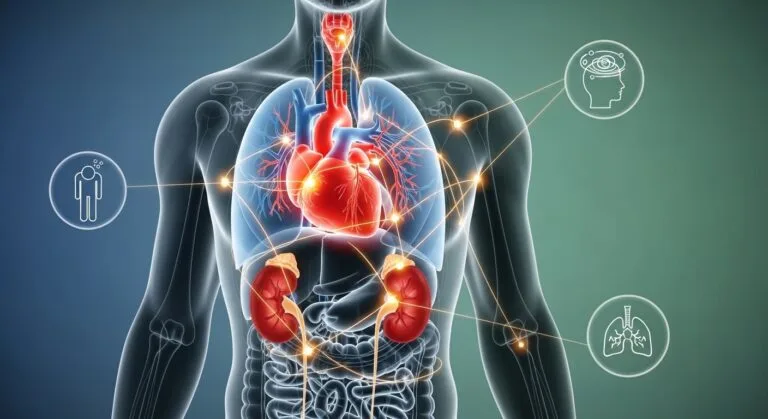
For any disease to cause death, it must disrupt essential bodily functions. The human body relies on several critical systems to stay alive, including the cardiovascular system, respiratory system, nervous system, and immune system. When a disease interferes with one or more of these systems beyond the body’s ability to compensate, death can occur.
One of the most common pathways to death is organ failure. Organs such as the heart, lungs, liver, and kidneys perform vital roles. If a disease damages these organs severely, they can no longer function properly. For example, if the lungs fail, oxygen cannot reach the bloodstream, leading to suffocation at the cellular level. If the heart fails, blood circulation stops, depriving tissues of oxygen and nutrients.
Another pathway involves overwhelming infection. When harmful microorganisms invade the body, the immune system fights back. In some cases, however, the immune response becomes excessive, leading to a condition known as systemic inflammation. This can damage tissues and organs throughout the body, resulting in a life-threatening state.
The Role of the Immune System
The immune system is both a protector and, in extreme cases, a contributor to fatal outcomes. Under normal conditions, it identifies and eliminates harmful pathogens such as bacteria and viruses. However, when the immune response becomes dysregulated, it can cause widespread damage.
For instance, a severe immune reaction may trigger a cascade of inflammation that affects blood vessels, organs, and tissues. This can lead to a drop in blood pressure, reduced oxygen delivery, and ultimately organ failure. In such cases, it is not only the disease itself that causes harm but also the body’s response to it.
If “ozdikenosis” were a real disease, one possible explanation for its lethality would be an aggressive immune response that spirals out of control. This pattern is seen in several known conditions where the body’s defense mechanisms inadvertently contribute to its decline.
Oxygen Deprivation and Cellular Death
A key factor in many fatal diseases is oxygen deprivation. Every cell in the human body requires oxygen to produce energy. When oxygen supply is interrupted, cells begin to die within minutes.
Diseases that affect the lungs, blood, or heart can interfere with oxygen delivery. For example, lung diseases can prevent oxygen from entering the bloodstream, while heart conditions can reduce the circulation of oxygen-rich blood. Similarly, blood disorders can impair the transport of oxygen.
As cells die, tissues and organs lose their ability to function. This creates a chain reaction, where the failure of one system leads to the failure of others. Eventually, this cascade becomes irreversible.
Toxin Production and Metabolic Disruption
Some diseases kill by producing toxins or disrupting the body’s metabolic balance. Toxins can damage cells directly, interfere with biochemical processes, or trigger inflammation.
Metabolic disruption occurs when the body can no longer maintain its internal balance, known as homeostasis. This includes regulating temperature, pH levels, and nutrient availability. When homeostasis is lost, the body cannot sustain life.
If a hypothetical condition like “ozdikenosis” involved toxin production, it could explain a rapid decline in health. Toxins might damage multiple organs simultaneously, making recovery difficult or impossible without immediate intervention.
Nervous System Failure
The nervous system controls essential functions such as breathing, heart rate, and consciousness. Diseases that affect the brain or spinal cord can disrupt these functions, leading to fatal outcomes.
For example, damage to the brainstem can stop breathing, while widespread neurological damage can lead to coma and eventual death. In some cases, infections or degenerative conditions attack the nervous system directly.
If “ozdikenosis” were associated with neurological damage, it could lead to a breakdown in communication between the brain and vital organs. This would result in the loss of essential bodily functions.
The Impact of Delayed Treatment
Another important factor in disease-related death is delayed or absent treatment. Many conditions that are fatal in advanced stages can be managed or cured if detected early.
Delays in diagnosis allow diseases to progress unchecked. By the time symptoms become severe, the damage may already be extensive. This highlights the importance of seeking medical attention when unusual symptoms appear.
If a condition like “ozdikenosis” were real and difficult to diagnose, delayed treatment could contribute significantly to its lethality. Early intervention often makes the difference between recovery and fatality.
Psychological and Social Factors
While biological mechanisms are central to understanding why diseases kill, psychological and social factors also play a role. Access to healthcare, awareness of symptoms, and overall health status influence outcomes.
People with limited access to medical care may not receive timely treatment. Similarly, underlying health conditions can weaken the body’s ability to fight disease. Stress and mental health can also affect the immune system and recovery process.
These factors demonstrate that the impact of a disease extends beyond biology. The context in which a person experiences illness can shape the outcome.
Separating Myth from Reality
The term “ozdikenosis” serves as a reminder of how easily misinformation can spread. In the digital age, unfamiliar or fictional terms can gain attention and be mistaken for real medical conditions.
It is important to approach such terms with skepticism and seek verification from reliable sources. Understanding real diseases and their mechanisms provides a stronger foundation for making informed decisions about health.
At the same time, questions like “why does ozdikenosis kill you” reflect a deeper curiosity about life and death. By addressing the underlying concepts, we can turn confusion into knowledge.
Conclusion
Although “why does ozdikenosis kill you” is not a recognized medical condition, the question of why diseases kill is both valid and important. Fatal illnesses typically disrupt essential bodily systems, leading to organ failure, oxygen deprivation, immune dysfunction, or metabolic imbalance.
Understanding these mechanisms helps us appreciate the complexity of the human body and the importance of medical care. It also underscores the value of accurate information and early intervention.
In the end, the real lesson is not about a specific term but about the broader principles of health and disease. By learning how and why the body fails under severe illness, we gain insight into how to protect it, treat it, and ultimately preserve life.
You may also read: BackToFrontShow Pricing