
Introduction
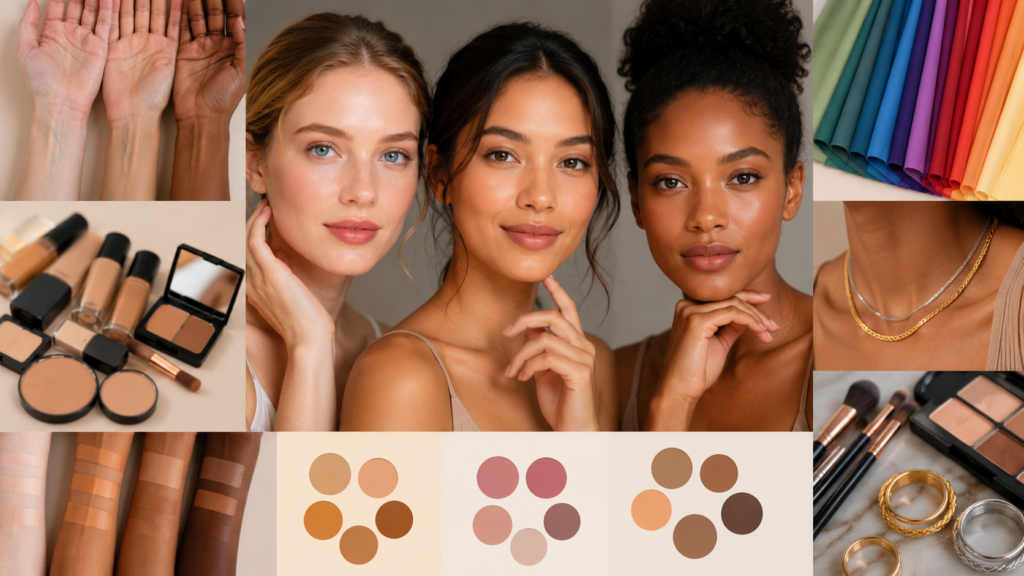
If you have ever wondered, “What is my undertone?”, you are not alone. Understanding your skin’s undertone is one of the most important steps in choosing flattering makeup, clothing colors, hair shades, and jewelry. Many people confuse undertones with skin tone, but they are actually different concepts.
Your skin tone can change throughout the year due to sun exposure, tanning, or seasonal changes. However, your undertone remains relatively constant. Once you discover your undertone, shopping for beauty products becomes much easier and more successful.
This comprehensive guide explains everything you need to know about identifying your undertone and using that knowledge to enhance your appearance.


What Is an Undertone?
An undertone is the subtle color beneath the surface of your skin. It influences how colors appear on you and determines which shades complement your complexion best.
Unlike your skin tone, which may be fair, medium, tan, or deep, undertones stay consistent over time.
The Three Main Undertone Categories
| Undertone Type | Characteristics |
|---|---|
| Warm | Golden, peachy, or yellow hues |
| Cool | Pink, red, or bluish hues |
| Neutral | A mix of warm and cool tones |
Understanding which category you belong to helps you make better beauty and fashion decisions.
Why Knowing Your Undertone Matters
Identifying your undertone offers several benefits:
- Helps choose the right foundation.
- Makes clothing colors more flattering.
- Improves hair color selection.
- Guides jewelry choices.
- Creates a more balanced overall appearance.
Many beauty experts consider undertone matching one of the foundations of personal styling.
Undertone vs. Skin Tone
People often use these terms interchangeably, but they are different.
Skin Tone
Your skin tone refers to the color visible on the surface:
- Fair
- Light
- Medium
- Tan
- Deep
Undertone
Your undertone is the color underneath the skin surface:
- Warm
- Cool
- Neutral
For example, two people may have medium skin tones but completely different undertones.
Signs You Have a Warm Undertone
Individuals with warm undertones often display:
- Golden skin hues
- Yellow or peach undertones
- Green-looking veins
- Better appearance in gold jewelry
- Easy tanning
Warm undertones often look vibrant in earthy and golden colors.
Signs You Have a Cool Undertone
Cool undertones usually feature:
- Pink or rosy hues
- Blue or purple veins
- Better appearance in silver jewelry
- Tendency to burn before tanning
Cool undertones often shine in jewel tones and icy shades.
Signs You Have a Neutral Undertone
Neutral undertones combine characteristics of both warm and cool undertones.
Common indicators include:
- Difficulty identifying vein color
- Looking equally good in gold and silver jewelry
- Balanced skin appearance
- Wide range of flattering colors
Neutral undertones enjoy the greatest flexibility when choosing beauty products.
Method 1: The Vein Test
One of the easiest ways to identify your undertone is by examining the veins on your wrist.
| Vein Color | Likely Undertone |
|---|---|
| Green | Warm |
| Blue or Purple | Cool |
| Mix of Both | Neutral |
Natural daylight provides the most accurate results.
Method 2: The Jewelry Test
Observe whether gold or silver jewelry enhances your appearance.
Gold Jewelry Looks Better
You likely have a warm undertone.
Silver Jewelry Looks Better
You probably have a cool undertone.
Both Look Good
You may have a neutral undertone.
This test is simple and often surprisingly accurate.
Method 3: The White Shirt Test
Wear a pure white shirt and stand in natural light.
Ask yourself:
- Does your skin look golden and healthy? Warm undertone.
- Does your skin appear rosy or pink? Cool undertone.
- Does it look balanced? Neutral undertone.
White fabric helps reveal hidden color characteristics.
Method 4: The Sun Reaction Test
Your skin’s reaction to sunlight can provide clues.
| Sun Response | Undertone |
|---|---|
| Tans Easily | Warm |
| Burns Quickly | Cool |
| Burns Then Tans | Neutral |
Although not perfect, this method can support other tests.
Method 5: The Paper Test
Hold a clean white sheet of paper next to your face.
Look in a mirror under natural lighting.
Yellow Appearance
Likely warm undertone.
Pink Appearance
Likely cool undertone.
Neither Dominates
Likely neutral undertone.
Method 6: Eye Color Clues
While eye color does not determine undertone directly, it can offer hints.
Common Warm Undertone Eye Colors
- Amber
- Honey brown
- Hazel with gold flecks
Common Cool Undertone Eye Colors
- Gray
- Ice blue
- Dark brown with cool depth
Remember that eye color alone cannot identify undertones.
Method 7: Hair Color Indicators
Natural hair color may also provide clues.
Warm Undertones
Often paired with:
- Golden blonde
- Auburn
- Golden brown
- Copper
Cool Undertones
Frequently paired with:
- Ash blonde
- Ash brown
- Blue-black
Again, use this method alongside other tests.
Best Foundation Shades for Warm Undertones
Warm undertones generally look best with foundations labeled:
- Warm
- Golden
- Honey
- Caramel
- Beige Gold
Avoid overly pink foundations, which may create an unnatural look.
Best Foundation Shades for Cool Undertones
Look for foundation labels such as:
- Cool
- Rose
- Pink
- Ivory
- Cool Beige
These shades complement rosy or bluish undertones.
Best Foundation Shades for Neutral Undertones
Neutral undertones benefit from:
- Neutral Beige
- Natural Beige
- Buff
- Nude
- Balanced undertone formulas
These foundations avoid excessive yellow or pink pigments.
Clothing Colors for Warm Undertones
Warm undertones often look stunning in:
| Color Family | Examples |
|---|---|
| Earth Tones | Camel, Brown, Tan |
| Warm Reds | Tomato Red, Rust |
| Greens | Olive, Moss |
| Yellows | Mustard, Gold |
| Oranges | Burnt Orange, Peach |
These colors naturally enhance golden skin characteristics.
Clothing Colors for Cool Undertones
Cool undertones often shine in:
| Color Family | Examples |
|---|---|
| Blues | Navy, Sapphire |
| Purples | Lavender, Plum |
| Pinks | Rose, Fuchsia |
| Reds | Cherry Red |
| Greens | Emerald |
These shades create a harmonious balance.
Clothing Colors for Neutral Undertones
Neutral undertones can wear both warm and cool colors successfully.
Popular options include:
- Dusty Pink
- Teal
- Soft White
- Sage Green
- Navy
- Charcoal
Neutral undertones enjoy excellent versatility.
Best Hair Colors for Warm Undertones
Flattering hair colors include:
- Honey Blonde
- Golden Brown
- Caramel
- Copper
- Chestnut
These shades emphasize warmth and radiance.
Best Hair Colors for Cool Undertones
Recommended shades include:
- Ash Blonde
- Cool Brown
- Espresso
- Burgundy
- Blue-Black
These colors complement cooler skin pigments.
Best Hair Colors for Neutral Undertones
Neutral undertones can often wear:
- Beige Blonde
- Chocolate Brown
- Soft Black
- Bronde
- Balanced Auburn
These shades create a naturally harmonious appearance.
Common Undertone Mistakes
Many people make these mistakes:
- Confusing undertone with skin tone.
- Testing under artificial lighting.
- Relying on a single method.
- Ignoring foundation oxidation.
- Following trends instead of personal coloring.
Combining multiple tests usually produces the most accurate results.
Can Your Undertone Change?
Generally, no.
While your skin tone may become lighter or darker due to:
- Sun exposure
- Seasonal changes
- Aging
Your underlying undertone typically remains the same throughout life.
Conclusion
If you have ever asked yourself, “What is my undertone?”, the answer can usually be found through a combination of simple tests. Checking your veins, jewelry preferences, sun reaction, and appearance in white clothing can provide valuable clues.
Knowing whether your undertone is warm, cool, or neutral helps you choose makeup, clothing, accessories, and hair colors that naturally enhance your features. Rather than following trends blindly, understanding your undertone allows you to make confident beauty and fashion decisions tailored specifically to you.
The more accurately you identify your undertone, the easier it becomes to create a polished and flattering look every day.
Frequently Asked Questions
1. What is the difference between skin tone and undertone?
Skin tone is the visible surface color of your skin, while undertone is the subtle color beneath the surface that remains consistent over time.
2. Can I have both warm and cool undertones?
Yes. This is typically considered a neutral undertone, which contains a balance of warm and cool characteristics.
3. Is the vein test always accurate?
The vein test is useful but works best when combined with other methods such as jewelry and clothing color tests.
4. What undertone looks best in gold jewelry?
Warm undertones generally look best in gold jewelry because it enhances golden and peachy skin hues.
5. What undertone should wear silver jewelry?
Cool undertones often look most flattering in silver, platinum, and white gold jewelry.
6. Can dark skin have cool undertones?
Absolutely. Undertones exist across all skin tones, from very fair to very deep complexions.
7. Why does foundation look orange on me?
A foundation may appear orange if it has a warm undertone that does not match your natural skin undertone. Choosing the correct undertone is just as important as selecting the right depth.